Live Entertainment Venues
Browse by country, state, and city — or search by name or location

Ciudad de México20 venues
Mexico City· 20 venues

Arena Ciudad de Mexico Concert Shows
Mexico City, Ciudad de México
Arena Ciudad de México is the premier indoor sports and concert arena in Mexico — a 22,000-capacity Mexico City facility presenting the biggest boxing matches, basketball events, and major concerts. Mexico City's extraordinary sports passion and the Arena's remarkable capacity create entertainment events of considerable Latin American significance.
Av. del Conscripto 311, Lomas de Sotelo, CDMX 11200
Auditorio Nacional Mexico City Concert
Mexico City, Ciudad de México
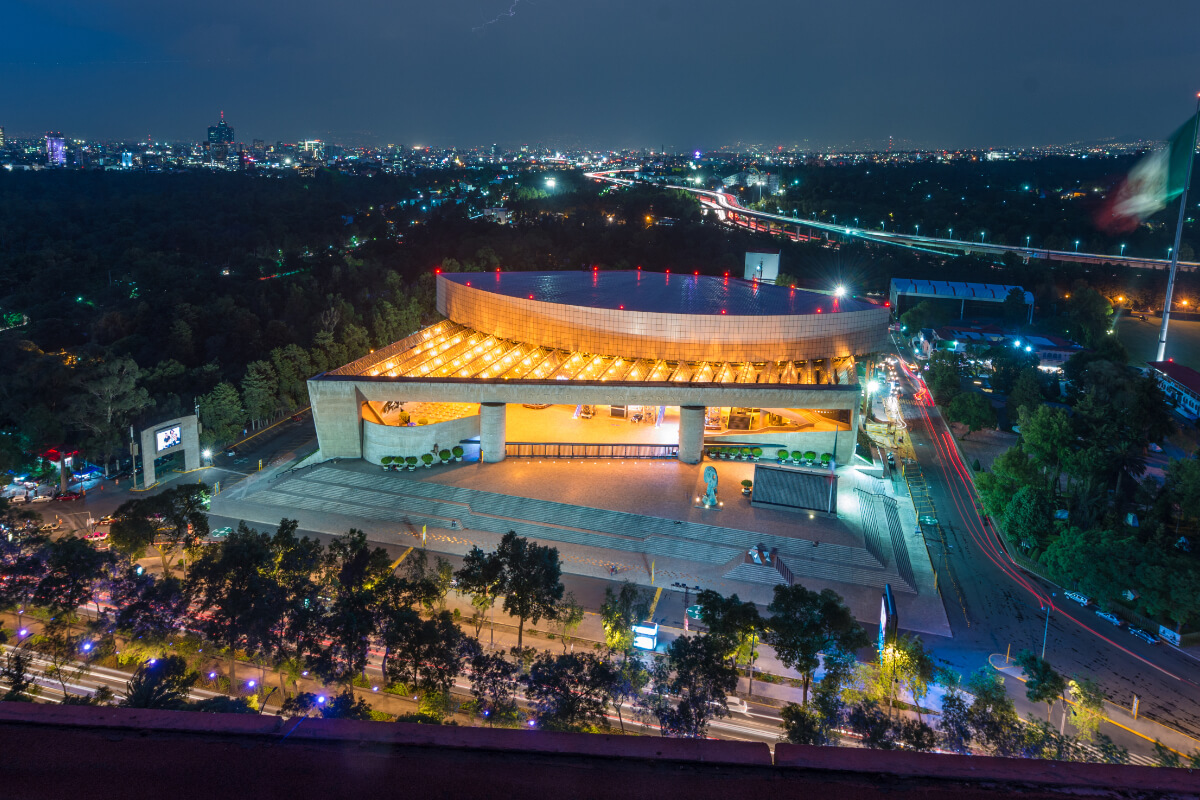
Auditorio Nacional is the most important concert arena in Mexico — a 10,000-capacity venue in Bosque de Chapultepec presenting the biggest international concerts in Latin America. The Auditorio's extraordinary position adjacent to Chapultepec Park (the largest urban park in Latin America, home to Chapultepec Castle and several world-class museums) and its remarkable programming of major international acts create a concert venue of genuine Latin American entertainment significance.
Paseo de la Reforma 50, Bosque de Chapultepec, CDMX 11580

Autódromo Hermanos Rodríguez Mexico F1
Mexico City, Ciudad de México
Autódromo Hermanos Rodríguez is the home of the Mexican Grand Prix — a Formula 1 circuit that hosts one of the world's most passionate F1 fan bases (the Mexico City GP consistently sells out 200,000+ tickets and generates some of the loudest crowds in the F1 calendar). The circuit's remarkable stadium section (the pit straight passes through a baseball stadium creating an extraordinary visual) and the legendary Peraltada corner create racing experiences of considerable Latin American motorsport significance.
Viaducto Rio de la Piedad s/n, Iztacalco, CDMX 08500
Ballet Folklorico de Mexico Bellas Artes
Mexico City, Ciudad de México
Ballet Folklórico de México is the most celebrated folk dance company in the world — Amalia Hernández's legendary company presenting the complete spectrum of Mexican indigenous and regional dance traditions (from Aztec dances to Jaracho son to Jalisco mariachi) in the magnificent Palacio de Bellas Artes. Ballet Folklórico's extraordinary representation of Mexico's 68 indigenous cultures through dance and the Palacio's incomparable setting create performing arts experiences of singular Mexican cultural identity significance.
Av. Juárez s/n, Centro Histórico, CDMX 06050
Ciudad Deportiva Mexico City Sports Complex
Mexico City, Ciudad de México
Ciudad Deportiva is Mexico City's largest sports complex — a multi-venue sports facility hosting professional baseball (Mexico City Red Devils), multiple soccer teams, and major sporting events. Mexico's remarkable sports culture (football, baseball, boxing, and lucha libre are all deeply embedded in Mexican national identity) and Ciudad Deportiva's comprehensive sports offerings create sporting experiences of considerable Mexican athletic community significance.
Viaducto Rio de la Piedad, Iztacalco, CDMX 08500
Compañía Nacional de Danza Mexico City
Mexico City, Ciudad de México
Compañía Nacional de Danza is Mexico's most important contemporary dance company — a national institution presenting outstanding contemporary and classical ballet performances. Mexico's remarkable dance heritage (from pre-Columbian ritual dance to contemporary choreography) and the Compañía's extraordinary artistic programming create dance performances of genuine Mexican performing arts cultural significance.
Campos Elíseos 480, Polanco, CDMX 11560
Corona Capital Festival Mexico City Music
Mexico City, Ciudad de México
Corona Capital is the most important music festival in Latin America — a Mexico City outdoor festival presenting the biggest international indie rock and alternative acts to audiences of 100,000+ at the Autódromo Hermanos Rodríguez. Corona Capital's extraordinary growth (from 25,000 attendees in 2010 to 120,000 in 2023) reflects Mexico City's remarkable emergence as one of the world's most important live music markets.
Viaducto Río de la Piedad s/n, Iztacalco, CDMX 08500

Estadio Azteca Mexico City Football Arena
Mexico City, Ciudad de México
Estadio Azteca is the most historically significant football stadium in the Americas — the site of the 1970 and 1986 FIFA World Cup Finals and home to Club América, Mexico's most supported football team. The Azteca's extraordinary capacity (87,523, the largest in Latin America) and its unparalleled World Cup heritage (two World Cup finals played here) create sporting experiences of singular Latin American football significance.
Calz. de Tlalpan 3465, Coyoacán, CDMX 04720
Estadio Azteca Mexico City Football Music
Mexico City, Ciudad de México
Estadio Azteca is the most historically significant football stadium in the Americas — a 87,000-capacity Mexico City venue where Diego Maradona scored the "Hand of God" and "Goal of the Century" in the same 1986 World Cup quarter-final against England, and where Pelé became the first person to lift the FIFA World Cup twice (1970 World Cup final). The Azteca's extraordinary World Cup history and its massive concert capacity create an entertainment venue of singular Latin American sporting and cultural significance.
Calz. de Tlalpan 3465, Coyoacán, CDMX 04720
Foro Sol Mexico City Outdoor Concert
Mexico City, Ciudad de México
Foro Sol is Latin America's largest outdoor concert venue — a 65,000-capacity Mexico City stadium regularly hosting the most attended concerts in the Americas. The Rolling Stones, Taylor Swift, and virtually every major international touring act performs at Foro Sol for audiences reflecting Mexico City's extraordinary concert culture (Mexico City consistently ranks among the world's top markets for live concert ticket sales).
Viaducto Río de la Piedad s/n, Iztacalco, CDMX 08500

Lucha Libre Arena Mexico CDMX Wrestling
Mexico City, Ciudad de México
Arena México is the cathedral of Lucha Libre — the unique Mexican form of professional wrestling where masked wrestlers (luchadores) perform extraordinary aerial acrobatics in matches that represent the most distinctively Mexican athletic and theatrical tradition. Lucha Libre's extraordinary cultural significance (El Santo, the most famous luchador, was a national hero who was buried in his silver mask), Arena México's remarkable architectural character, and CMLL's (Consejo Mundial de Lucha Libre) 90+ year history create a sports venue of singular Mexican cultural athletic significance.
Dr. Lavista 189, Doctores, CDMX 06720
Lunario Auditorio Nacional Mexico City
Mexico City, Ciudad de México
El Lunario is Mexico City's premier intimate jazz and world music venue — an Auditorio Nacional subsidiary presenting outstanding jazz, world music, and acoustic performances in a beautifully designed 1,200-seat room adjacent to the main Auditorio arena. El Lunario's extraordinary acoustics, its exceptional programming of world-class jazz and world music artists, and its remarkable Chapultepec setting create a performing arts venue of genuine Mexican jazz and world music significance.
Paseo de la Reforma 50, Bosque de Chapultepec, CDMX 11580
Mariana Percovich Teatro Mexico City Shows
Mexico City, Ciudad de México
Mexico City's extraordinary independent theater scene reflects one of the most vibrant theatrical cultures in the Spanish-speaking world — a city where hundreds of independent theater companies produce outstanding work in venues ranging from converted cantinas to purpose-built experimental spaces throughout the Roma Norte, Condesa, and Centro Histórico neighborhoods. Mexico City's remarkable theater culture and its outstanding concentration of theatrical talent create performing arts experiences of genuine Latin American theatrical significance.
Calle Tabasco 152, Roma Norte, CDMX 06700
Orquesta Filarmonica UNAM Mexico City
Mexico City, Ciudad de México
Orquesta Filarmónica de la UNAM performs at Sala Nezahualcóyotl — Mexico's finest concert hall, located at the remarkable Ciudad Universitaria (a UNESCO World Heritage Site and one of the most architecturally significant university campuses in the world, featuring murals by Diego Rivera and Juan O'Gorman). OFUNAM's exceptional musical programming and the UNAM campus's extraordinary cultural significance create classical music experiences of genuine Mexican academic and cultural heritage significance.
Av. Insurgentes Sur 3000, CU, Coyoacán, CDMX 04360
Palacio de Bellas Artes Mexico City Opera
Mexico City, Ciudad de México
Palacio de Bellas Artes is the most magnificent cultural building in Latin America — a Mexico City arts palace whose extraordinary Italian marble exterior (Art Nouveau) and equally spectacular Art Deco interior house the country's most important collection of Mexican muralist art (Rivera, Orozco, Siqueiros, and Tamayo all have monumental works here) alongside the Mexican National Opera and National Symphony. The Palacio's extraordinary murals, its remarkable Art Deco interior design (one of the finest Art Deco theaters in the world), and its role as Mexico's most important performing arts venue create a showroom of singular Latin American cultural heritage significance.
Av. Juárez s/n, Centro Histórico, CDMX 06050
Palacio de los Deportes Mexico City Concert
Mexico City, Ciudad de México
Palacio de los Deportes is Mexico City's most architecturally spectacular arena — a geodesic dome stadium built for the 1968 Olympic Games (the first Olympics ever held in Latin America) where Michael Jordan played in the 1992 Olympics and where major concerts serve Mexico City's enormous entertainment market. The 1968 Olympics' extraordinary historical significance (they were also marked by the Tlatelolco Massacre, one of Mexico's most important political events) creates an arena of genuine Latin American historical and athletic significance.
Coltongo s/n, Iztacalco, CDMX 08500
Palacio de los Deportes Olympics Mexico City
Mexico City, Ciudad de México
Palacio de los Deportes was the indoor arena for the 1968 Mexico City Olympics — a geodesic dome by architect Félix Candela now used for major sporting events and concerts. The 1968 Olympics represented the first time the Games were held in Latin America and in a developing country, making it a defining moment in Latin American sporting and cultural history.
Av. Río Churubusco s/n, Iztacalco, CDMX 08500
Pepsi Center WTC Mexico City Concert Arena
Mexico City, Ciudad de México
Pepsi Center WTC is Mexico City's most important midsize concert venue — presenting major concerts, sporting events, and entertainment shows at the World Trade Center complex. Mexico City's extraordinary concert market and the Pepsi Center's consistent programming of outstanding acts create a concert venue of genuine Mexican entertainment significance.
Insurgentes Sur 800, Nápoles, CDMX 03810
Teatro Metropólitan Mexico City Concert
Mexico City, Ciudad de México
Teatro Metropolitan is Mexico City's most intimate major concert venue — a beautifully restored 3,300-capacity theater presenting outstanding concerts, theatrical shows, and cultural events. Teatro Metropolitan's elegant setting and its consistent programming of world-class entertainment create a concert venue of genuine Mexican performing arts significance.
Independencia 90, Cuauhtémoc, CDMX 06050
Ópera de Bellas Artes Mexico City Opera
Mexico City, Ciudad de México
Compañía Nacional de Ópera performs in the Palacio de Bellas Artes — Mexico's national opera company presenting outstanding productions in the most beautiful opera house in Latin America. Mexico's remarkable operatic tradition (the tenor Rolando Villazón is among Mexico's greatest contributions to world opera) and the Palacio's extraordinary Art Deco interior create opera performances of considerable Mexican cultural heritage significance.
Av. Juárez s/n, Centro, CDMX 06050
Guanajuato2 venues
Guanajuato· 2 venues

Festival Cervantino Guanajuato Mexico Shows
Guanajuato, Guanajuato
Festival Internacional Cervantino is the most important cultural festival in Latin America — a three-week Guanajuato event presenting the world's finest theater, dance, music, and visual arts companies in the most beautiful colonial silver-mining city in Mexico. Guanajuato's extraordinary UNESCO World Heritage Site city (built literally on tunnels that served as the original streets before the city was flooded) and the Festival's remarkable 50+ year tradition of presenting world-class arts create performing arts experiences of singular Latin American cultural significance.
Various Venues, Guanajuato, Gto 36000
Teatro Juarez Guanajuato Mexico Showroom
Guanajuato, Guanajuato
Teatro Juárez is Mexico's most spectacular small theater — a Guanajuato neo-Moorish and Neoclassical theater (1903) whose extraordinary interior (combining Louis XVI French design with Moorish mosaics) serves as the premier venue of the Festival Internacional Cervantino, the most important performing arts festival in Latin America. The Festival Cervantino's remarkable annual gathering of the world's finest theatrical, musical, and dance companies and Teatro Juárez's extraordinary architectural character create performing arts experiences of singular Latin American cultural festival significance.
Subterraneos, Guanajuato, Gto 36000
Jalisco3 venues
Guadalajara· 3 venues

Auditorio Telmex Guadalajara Concert Mexico
Guadalajara, Jalisco
Auditorio Telmex is the most important concert venue in western Mexico — a 16,000-capacity Guadalajara arena presenting outstanding concerts and events for Mexico's second city. Guadalajara's remarkable position as the cultural capital of western Mexico (birthplace of tequila, mariachi, and the charreada) and the Auditorio's consistent programming of major acts create a concert venue of considerable Mexican entertainment significance.
Av. Mariano Otero 1499, Guadalajara, Jal 44500
Estadio Jalisco Guadalajara Mexico Football
Guadalajara, Jalisco
Estadio Jalisco is the most historically significant football ground in western Mexico — a Guadalajara stadium shared by Club Deportivo Guadalajara (Las Chivas, Mexico's most beloved football club) and Atlas FC. Club Guadalajara's extraordinary significance as the only Liga MX club that only signs Mexican-born players creates a sporting culture of exceptional Mexican national identity and football heritage significance.
Calz. Independencia Nte 698, Sector Libertad, Guadalajara, Jal 44690
Teatro Degollado Guadalajara Mexico Showroom
Guadalajara, Jalisco
Teatro Degollado is the most beautiful 19th-century theater in Mexico — a Guadalajara neoclassical opera house (1866) where the ceiling fresco depicting the fourth canto of Dante's Divine Comedy and the extraordinary Italian neo-Renaissance architecture create one of the finest theater interiors in Latin America. Teatro Degollado's remarkable architectural splendor and its extraordinary presentation of the Orquesta Filarmónica de Jalisco and visiting opera companies create a performing arts venue of genuine Mexican cultural heritage significance.
Calle Degollado, Guadalajara, Jal 44100
Mexico City3 venues
Mexico City· 3 venues

Auditorio Nacional Mexico City
Mexico City, Mexico City
Auditorio Nacional is Latin America's most celebrated concert hall — a 10,000-capacity venue in Chapultepec that consistently ranks as one of the top-grossing concert venues in the world, drawing on Mexico City's extraordinary population of 21 million and the passionate Mexican concert-going culture that treats live music as one of life's most important experiences. Artists who have sold out the Auditorio Nacional consider it a career milestone; the venue's Art Deco facade, excellent acoustics, and electric Mexican audiences create a concert experience that touring artists describe as among the world's finest.
Paseo de la Reforma 50, Bosque de Chapultepec, 11580 Ciudad de México
Foro Sol Mexico City
Mexico City, Mexico City
Foro Sol is Mexico City's outdoor stadium concert venue — a 65,000-capacity baseball stadium adjacent to the Palacio de los Deportes that hosts Mexico City's biggest outdoor concert events, including multi-night residencies by Bad Bunny, Luis Miguel, and international stadium tours. The venue's position in Latin America's largest city and the Mexican music market's extraordinary commercial power — Mexico is consistently among the world's top-five concert markets by revenue — makes Foro Sol one of the most profitable stadium concert venues in the Western Hemisphere.
Viaducto Río de la Piedad 11, 08400 Ciudad de México
Palacio de los Deportes Mexico City
Mexico City, Mexico City
Palacio de los Deportes is Mexico City's premier indoor arena — a 22,000-capacity domed arena built for the 1968 Olympics that hosts the biggest concerts and sporting events for Latin America's largest metropolis. As the home of Mexico City's Azcapotzalco basketball team and the primary venue for international concert tours visiting Mexico, the Palacio draws on an entertainment market of extraordinary scale — Mexico City's 21 million residents represent the most passionate concert audience in Latin America.
Av. del Conscripto y Añil s/n, 08400 Ciudad de México