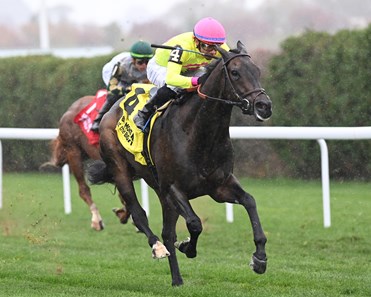
Hippodrome de Saint-Louis
Saint-Louis Region, Senegal
Senegal's second racing venue in the historic colonial city of Saint-Louis — the Hippodrome de Saint-Louis serves the racing community of northern Senegal and the broader Sahelian horse breeding region, with a programme rooted in the city's French colonial equestrian heritage.
Track Facts
Track Length
6 furlongs
Primary Surface
Turf
Racing & Gaming
Season & Major Events
Major Events:
- Prix Saint-Louis
- Grand Prix du Fleuve
- Northern Senegal Classic
- Prix Faidherbe
About Hippodrome de Saint-Louis
The Hippodrome de Saint-Louis serves Senegal's second major racing circuit, located in the historic city of Saint-Louis — Sénégal's former colonial capital (the first French settlement in sub-Saharan Africa, established 1659) on the Senegal River delta. Saint-Louis's horse racing heritage is arguably even older than Dakar's formal track, given the city's longer colonial history — equestrian sport was part of Saint-Louis's cultural life from the earliest French settlement period, and the Hippodrome was developed as horse racing was formalised into a regulated pari-mutuel sport during the late colonial period. Saint-Louis's distinctive character as a racing venue reflects its position at the intersection of the Sahelian horse culture of the interior and the coastal colonial tradition. The city's Gnagna Guèye quarter — traditionally the home of the griots and the equestrian culture of the Saint-Louisien upper class — has produced notable horse owners and trainers throughout the modern racing programme. The Hippodrome de Saint-Louis hosts the northern Senegal racing season, typically in the cooler months (November-March) when the Harmattan wind provides racing conditions more suitable than the hot and humid summer. The Prix Saint-Louis and the regional championship races provide the programme's key events, and the track's position on the UNESCO World Heritage-listed Saint-Louis island gives it one of the most striking settings of any racing venue in the world.