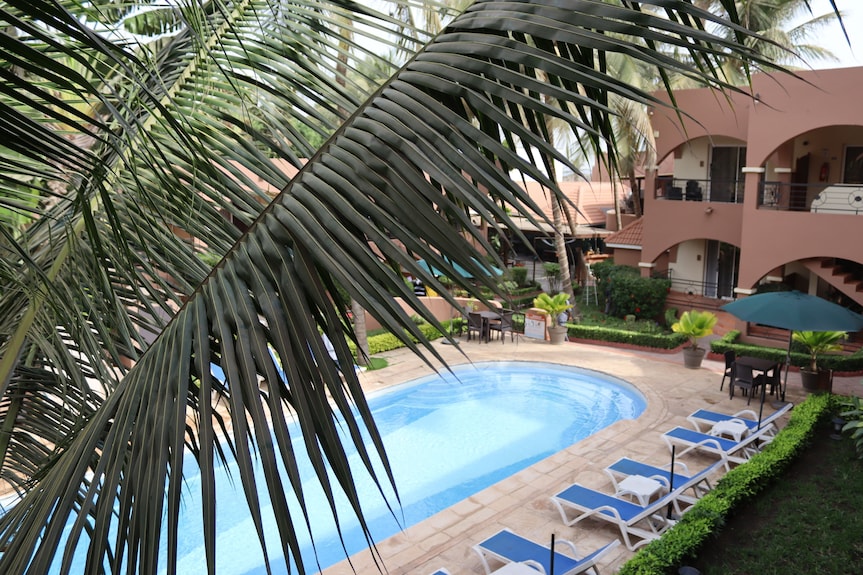
Casino du Cap-Vert
Dakar, SN-DK, Senegal
West Africa's oldest casino in Dakar — a French colonial-era institution on the Cap-Vert peninsula at the westernmost point of Africa, serving Senegal's capital and one of the continent's most vibrant cultural cities.
Casino Facts
Year Opened
1950
Slot Machines
150
Table Games
18
About Casino du Cap-Vert
Casino du Cap-Vert is among the oldest operational casinos in sub-Saharan Africa, a French colonial-era gaming institution on the Cap-Vert peninsula in Dakar — the capital city that occupies the westernmost point of the African continent, a dramatic rocky headland where the Atlantic Ocean and the Senegalese coast converge. The casino has operated in various forms since the colonial period, surviving Senegalese independence in 1960 and the country's long post-independence history to remain the primary gaming venue in a country of 17 million known for its extraordinary music culture, Wolof hospitality tradition (teranga), and the ancient trading history of its island capital Gorée.
Dakar is one of Africa's most culturally distinctive capitals: the Gorée Island slave house (a UNESCO World Heritage Site and pilgrimage destination for the African diaspora), the African Renaissance Monument overlooking the Atlantic, the IFAN museum of African art, the seafood markets of Soumbédioune, and the annual Dakar Rally (formerly) and Dakar Music Awards have given the city an international profile disproportionate to its size. The casino draws primarily from Dakar's expatriate community, diplomatic corps, and international business visitors in a city that serves as a regional headquarters for dozens of French companies and international organisations operating across West Africa.
Games include roulette, blackjack, baccarat, and slot machines. Like most West African gaming venues, the casino operates within the constraint that gaming is technically restricted to non-nationals — a framework reflecting the Muslim-majority social conservatism of the broader population (Senegal is approximately 95% Muslim) while permitting tourist and expatriate gaming as an economic activity.