
Greece Horse Racing
Greece maintains one of the Mediterranean's most resilient horse racing traditions — the ODIE-managed programme at Athens Hippodrome has continued the Greek Derby and national Classic series through two world wars, a military junta, and a decade of financial crisis.
Top Sportsbooks for Greek Racing
Bet on Athens racecourse & Greek Derby
 GR-I
GR-I
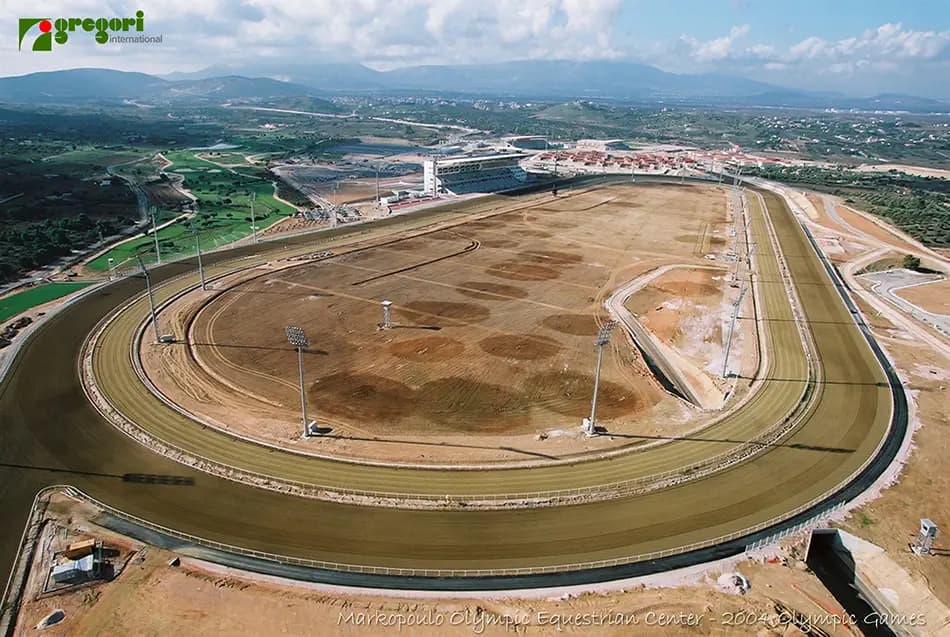
Greece's principal thoroughbred racecourse in the Attica region, managed by ODIE (Greek Horse Racing Organisation) — home of the Greek Derby and the country's primary Classic racing programme since the late 20th century.
GR-B
Northern Greece's main horse racing venue in Thessaloniki — a thoroughbred flat track serving the country's second-largest city and the racing community of Macedonia and northern Greece.
Greek Horse Racing Heritage
Greece's classical heritage makes it one of the oldest equestrian civilisations in the world — the horse (hippos) was central to ancient Greek warfare, aristocratic culture, and the Olympic Games of antiquity, where chariot racing and equestrian events were among the most prestigious competitions. Modern Greek horse racing is a much more modest affair than this history might suggest, but it maintains a genuine domestic programme that has survived extraordinary circumstances.
ODIE: The Greek Horse Racing Organisation
ODIE (Organismos Ippodromiou Ellados — Greek Horse Racing Organisation) is the state-affiliated body responsible for regulating and promoting horse racing in Greece. ODIE manages the Athens Hippodrome at Markopoulo (the primary national venue), the Thessaloniki Hippodrome in northern Greece, and administers the pari-mutuel wagering system that constitutes the primary legal horse race betting mechanism in the country. ODIE also maintains the national breeding registry and manages the Classic programme that defines the Greek racing year.
The Greek Classic Programme
The Greek Classic series — the Greek Derby (Ελληνικό Ντέρμπι, run at 2,000 metres), the Greek Oaks (for fillies), and the Greek 2000 Guineas (at 1,600 metres) — have been run at the Athens Hippodrome since the modern Greek racing programme was formalised in the 20th century. These races have continued through the country's many upheavals, including the Axis occupation of Greece (1941-1944), the subsequent Civil War, the 1967-1974 military junta, and the devastating economic crisis that began in 2010. The continuity of the Classic series through these periods represents one of Greek sport's quiet achievements.
Athens Hippodrome: The Markopoulo Facility
The current Athens Hippodrome is located at Markopoulo in the Attica region, approximately 30 kilometres south-east of central Athens. The facility replaced the historic Faliro Hippodrome (which operated closer to Athens for most of the 20th century) as the primary Greek racing venue and runs a schedule of Wednesday evening and Saturday afternoon meetings throughout the flat season (March through November). The turf circuit at Markopoulo hosts all the Classic races and the major conditions events that define the national programme. The Greek betting pools, managed by ODIE, are available on-course and through licensed off-course betting shops throughout Athens and other cities.
Thessaloniki and Northern Greek Racing
The Thessaloniki Hippodrome serves northern Greece's racing community with a summer season programme (May through September) that provides a competitive outlet for horses from Macedonia and the surrounding regions. Thessaloniki's racing tradition reflects the city's historical role as a major agricultural and commercial centre, and the Macedonian horse-breeding tradition has deep roots in the region. The Thessaloniki Grand Prix and the Macedonian Derby are the track's most prestigious events.